Anne Boleyn: Life, Legacy, Family, Death, Movies, and Modern Portrayals
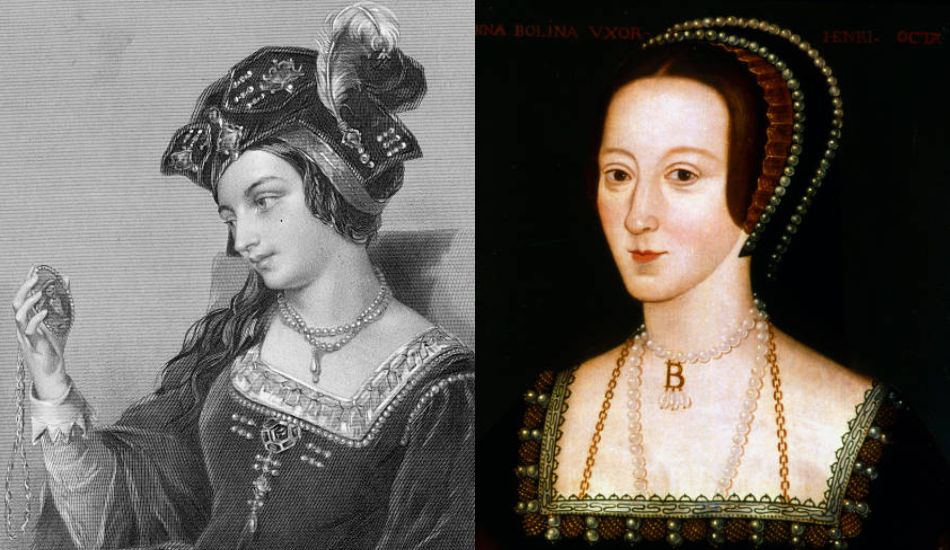
Few historical figures have captured the imagination of the world quite like Anne Boleyn, the second wife of King Henry VIII and the mother of Queen Elizabeth I. She remains one of the most discussed, debated, and depicted women in British history. Her story—filled with ambition, romance, political upheaval, triumph, and tragedy—continues to resonate nearly 500 years after her death.
In this in-depth article, we explore who Anne Boleyn was, her background and family, her siblings, age, marriage, motherhood, the circumstances of her execution, how she is portrayed in modern culture (including Claire Foy’s acclaimed performance), and even questions people commonly ask today such as Anne Boleyn’s “net worth” and her various film depictions. This comprehensive overview blends historical accounts with cultural commentary to form a rich portrait of one of history’s most influential women.
Who Is Anne Boleyn?
Anne Boleyn (c. 1501 or 1507 – 1536) was Queen of England from 1533 to 1536 as the second wife of King Henry VIII. Known for her intelligence, wit, and ambition, she played a central role in the religious and political transformation of England. Her marriage to Henry VIII was one of the most consequential in European history, as it contributed directly to England’s break from the Roman Catholic Church and the establishment of the Church of England.
She was not born into royalty, but her family belonged to the rising Tudor-era aristocracy. Anne’s presence at court was charismatic and magnetic—qualities that led Henry VIII to pursue her passionately for years while he was still married to Catherine of Aragon. Refusing to become the king’s mistress, Anne insisted on marriage, setting into motion events that reshaped the religious structure of an entire nation.
Today Anne Boleyn is remembered not only as a queen and a historical catalyst, but also as a symbol of resilience, complexity, and tragic injustice.
Anne Boleyn’s Age: How Old Was She?
One of the most debated aspects of Anne Boleyn’s biography is her birth year. Historians commonly argue two possible birthdates:
- c. 1501
- c. 1507
There is no definitive record, and arguments exist for both dates.
If born in 1501, she would have been around 35 at the time of her execution.
If born in 1507, she would have been around 28–29 at her death.
Most modern historians lean toward the earlier date (c. 1501), but the debate continues.
Regardless, Anne lived a short but extraordinarily impactful life.
Anne Boleyn’s Family Background
Anne was born into the influential Boleyn family, whose ambitions and courtly connections positioned her for a prominent role in Tudor society.
Anne Boleyn’s Father
Her father, Thomas Boleyn, was a gifted diplomat who served as ambassador to France and later became Earl of Wiltshire and Earl of Ormond. Ambitious, intelligent, and politically savvy, Thomas ensured that his children were well-educated and well-positioned within European courts.
Anne Boleyn’s Mother
Her mother, Elizabeth Howard, was the daughter of the powerful Thomas Howard, 2nd Duke of Norfolk—one of the most influential noble families in England. Through her mother, Anne belonged to one of the highest-ranking aristocratic lines of the Tudor period.
Anne Boleyn’s Siblings: Brother and Sister
Anne had two well-known siblings:
1. Mary Boleyn
Often thought to be the elder sister, Mary served in the French and English courts. She is widely believed to have been a mistress of King Henry VIII before Anne caught his attention.
2. George Boleyn, Viscount Rochford
Anne’s younger brother George was a courtier, diplomat, and accomplished poet. Tragically, both he and Anne were executed in 1536 under accusations of treason and incest—charges now universally considered false.
The Boleyn siblings were tightly connected within the court, forming a formidable family trio whose influence reached the highest levels of Tudor politics.
Anne Boleyn’s Early Life and Education
Anne spent her early years between England, the Netherlands, and France.
Her time at the French court—particularly in the service of Queen Claude—shaped her intellect, style, and sophistication. She became fluent in French, skilled in music and dance, and known for her sharp humor and cultured presence.
This continental upbringing made Anne stand out among English ladies-in-waiting when she returned to London in 1522.
Anne Boleyn & King Henry VIII: Courtship and Marriage
Anne’s relationship with Henry VIII remains one of the most famous romances in history. Their courtship was passionate, scandalous, and politically explosive.
Anne Boleyn Married To Henry VIII
Anne married King Henry VIII in 1533 after years of Henry’s pursuit and a long political struggle to obtain an annulment from his first wife, Catherine of Aragon.
Anne’s refusal to become Henry’s mistress changed everything.
Her bold insistence on marriage forced the king’s hand and ultimately led to:
- England’s break with the Catholic Church
- Henry’s establishment as Supreme Head of the Church of England
- The birth of the Protestant Reformation in England
Anne was crowned Queen of England on June 1, 1533, in a magnificent ceremony at Westminster Abbey.
Anne Boleyn’s Children
Anne had one surviving child:
Queen Elizabeth I (born September 7, 1533)
Elizabeth would grow up to become one of the greatest monarchs in English history. Her reign, the Elizabethan Era, ushered in a golden age of culture, exploration, literature, and national identity.
Anne also experienced several miscarriages, including a male fetus lost in 1536—an event that deeply affected Henry and contributed to her downfall.
Anne Boleyn’s Net Worth: A Modern Question About a Historical Figure
Many people online search for “Anne Boleyn net worth”.
However, the concept did not exist in the 1500s the way it does today.
We can say:
- She came from a wealthy noble family
- She became one of the most materially powerful women in England as queen
- Her family received lands, titles, and income due to her marriage
But assigning a “net worth” is impossible because Tudor-era wealth was measured in lands, titles, and royal favor—not in cash or modern financial terms.
Still, as queen, Anne’s access to wealth would have been immense, rivaling any modern multimillionaire in status and influence.
Anne Boleyn’s Downfall and Death
Anne’s downfall in 1536 was sudden, shocking, and tragic.
Why Was Anne Boleyn Accused?
Anne was charged with:
- Adultery
- Incest (with her brother George)
- Treason
These accusations were overwhelmingly fabricated. Most historians now agree that Anne was the victim of a political conspiracy driven by:
- Henry’s desire for a male heir
- Court factions (particularly conservative and religious rivals)
- The king’s infatuation with Jane Seymour
Anne Boleyn’s Death
On May 19, 1536, Anne Boleyn was executed at the Tower of London by a French swordsman specially brought in for the occasion.
She died with dignity, courage, and composure, delivering a calm final speech praising the king—standard for Tudor executions to protect surviving family members.
Anne was buried in the Chapel of St. Peter ad Vincula within the Tower.
Her legacy, however, endured far beyond her lifetime.
Anne Boleyn in Movies, Television, and Popular Culture
Anne’s dramatic life has made her a popular subject in literature and film for centuries.
Anne Boleyn Movies & Screen Portrayals
Notable productions include:
- Anne of the Thousand Days (1969)
- The Other Boleyn Girl (2008)
- Wolf Hall (2015)
- Anne Boleyn (Channel 5 drama, 2021)
Her story appears repeatedly across documentaries, novels, musicals, and miniseries.
Anne Boleyn and Claire Foy
One of the most acclaimed portrayals of Anne Boleyn in recent years was by Claire Foy in the BBC miniseries Wolf Hall (2015).
Foy’s performance was celebrated for bringing raw emotion, intelligence, and realism to Anne’s character. She portrayed Anne not as a one-dimensional temptress or victim, but as a complex political figure fighting for survival in the brutal world of Tudor court politics.
Foy’s interpretation helped introduce Anne Boleyn’s story to a modern global audience and is often regarded as one of the finest portrayals of the queen in TV history.
Anne Boleyn’s Legacy: Mother of a Queen, Symbol of a Changing World
Anne’s life may have ended tragically, but her legacy shaped the course of England’s future.
She was the mother of Elizabeth I, under whom England entered a golden age.
She helped trigger the English Reformation, altering the religious fabric of Europe.
She remains a symbol of female influence, ambition, and the volatility of life at court.
Centuries later, Anne Boleyn continues to inspire books, films, academic studies, and passionate debates. Her story is one of courage, complexity, and lasting significance—ensuring she will never be forgotten.
Final Thoughts — Presented by fanzineblog
Anne Boleyn’s journey from noblewoman to queen, from political power to tragic downfall, has cemented her as one of history’s most compelling figures. Her life story blends power, passion, intellect, and injustice in a way few historical narratives can match. This article is proudly presented for readers of fanzineblog, where history meets insight and deeper storytelling.