Pre Nursery Schools Near Me Best Options for Early Childhood Education
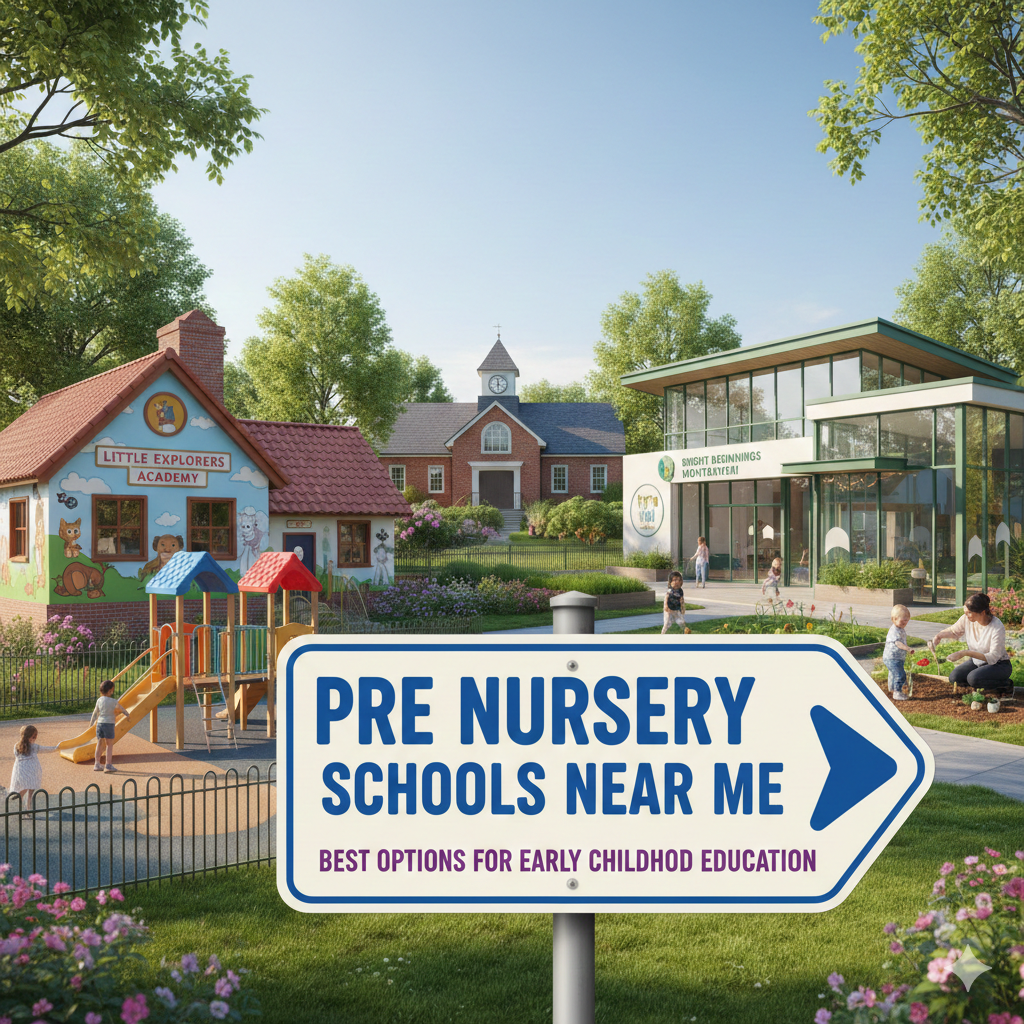
Finding a suitable pre nursery schools near me is essential for parents looking to provide their young children with a safe and nurturing early learning environment. Pre-nursery schools focus on developing basic social, cognitive, and motor skills for children typically aged 2 to 3 years. The best options are often licensed programs that offer small class sizes and structured activities designed for early childhood development.
Many pre-nursery schools in urban areas, like Toronto, provide a variety of program styles, including Montessori, cooperative learning, and specialized communication classes. These schools cater to different needs and learning preferences, helping parents choose the best fit for their child’s growth. Access to before- and after-school care is also available at some locations, adding flexibility for working families.
Choosing a pre-nursery school near home ensures convenience and reduces commute time, which can improve the overall experience for both children and parents. Many reputable schools list detailed information online about their programs, availability, and admission process, making it easier for parents to compare and decide.
Choosing the Best Pre Nursery Schools Near Me
Selecting a pre nursery school involves evaluating several practical aspects. Parents should focus on program structure, teaching quality, and staff expertise to ensure the chosen school aligns with their child’s developmental needs and family priorities.
Key Factors in Selecting a Pre Nursery School
Location and safety are primary considerations. A nearby school reduces travel time and eases daily routines. Parents should investigate the facility’s cleanliness, security measures, and child-to-staff ratio.
Cost and schedules also matter. Some schools offer part-time or full-day programs with varying fees. Accessibility to flexible hours can support different family needs.
Parent reviews and school accreditation help gauge reputation. A licensed pre nursery with positive feedback indicates reliable standards. Visiting the school for firsthand observation offers insights into the environment and staff-child interactions.
Curriculum and Early Childhood Education Approaches
Effective pre nursery programs balance structured and play-based learning. Age-appropriate activities encourage social, cognitive, and emotional growth.
Many schools use developmentally appropriate practices focusing on creativity, language skills, and motor development. Programs that introduce routines help children adjust to formal schooling.
Parents may look for schools offering thematic lessons and sensory play. These support holistic development and keep young children engaged. A transparent curriculum allows parents to understand daily objectives and learning milestones.
Teacher Qualifications and Staff Experience
Qualified educators are crucial for quality early education. Staff with formal early childhood training and certifications demonstrate competency in child development best practices.
Experience in managing toddlers and recognizing individual needs ensures personalized care. Consistent staffing benefits children by providing stability and strengthening teacher-child relationships.
Parents should inquire about ongoing professional development. Schools that invest in staff training maintain high standards and adopt current educational methods. Background checks and clear communication protocols contribute to a trustworthy environment.
Visiting and Evaluating Local Pre Nursery Schools
Parents should focus on practical details when visiting pre nursery schools. Key factors include scheduling visits to fit their availability, closely examining the school’s physical environment and safety measures, and clearly understanding how the enrollment process works.
Scheduling Tours and Interviews
Parents should contact schools in advance to arrange tours. It is advisable to request a meeting with both the director and teachers to get a full perspective.
Choosing a time when children are actively engaged allows a better sense of daily routines. Asking about staff qualifications and turnover during the interview provides insight into the program’s stability.
Scheduling multiple visits helps in comparing options. Parents may also inquire about virtual tours if an in-person visit is difficult.
Assessing Facilities and Safety Standards
When touring, checking the cleanliness and organization of classrooms is essential. Play areas should be age-appropriate and well-maintained.
Safety features must meet local regulations, such as secure entry points and childproofed furniture. Fire exits, first aid kits, and staff CPR training are also important.
Parents should observe how staff supervise children and manage interactions. Outdoor spaces should be safe and fenced. A detailed checklist of these elements helps in making objective comparisons.
Understanding Enrollment Procedures
Enrollment steps vary by school but generally include application forms, health records, and sometimes assessments. Parents should clarify deadlines and waiting list policies.
Reviewing tuition fees, payment schedules, and refund policies is necessary. Some schools offer part-time or full-day options, which may affect enrollment requirements.
It is important to confirm required documents and any orientation sessions before enrollment. Transparency in these procedures ensures a smoother start for both parents and children.