Cremation Services in Delhi — Reliable Guidance for Families and End-of-Life Planning
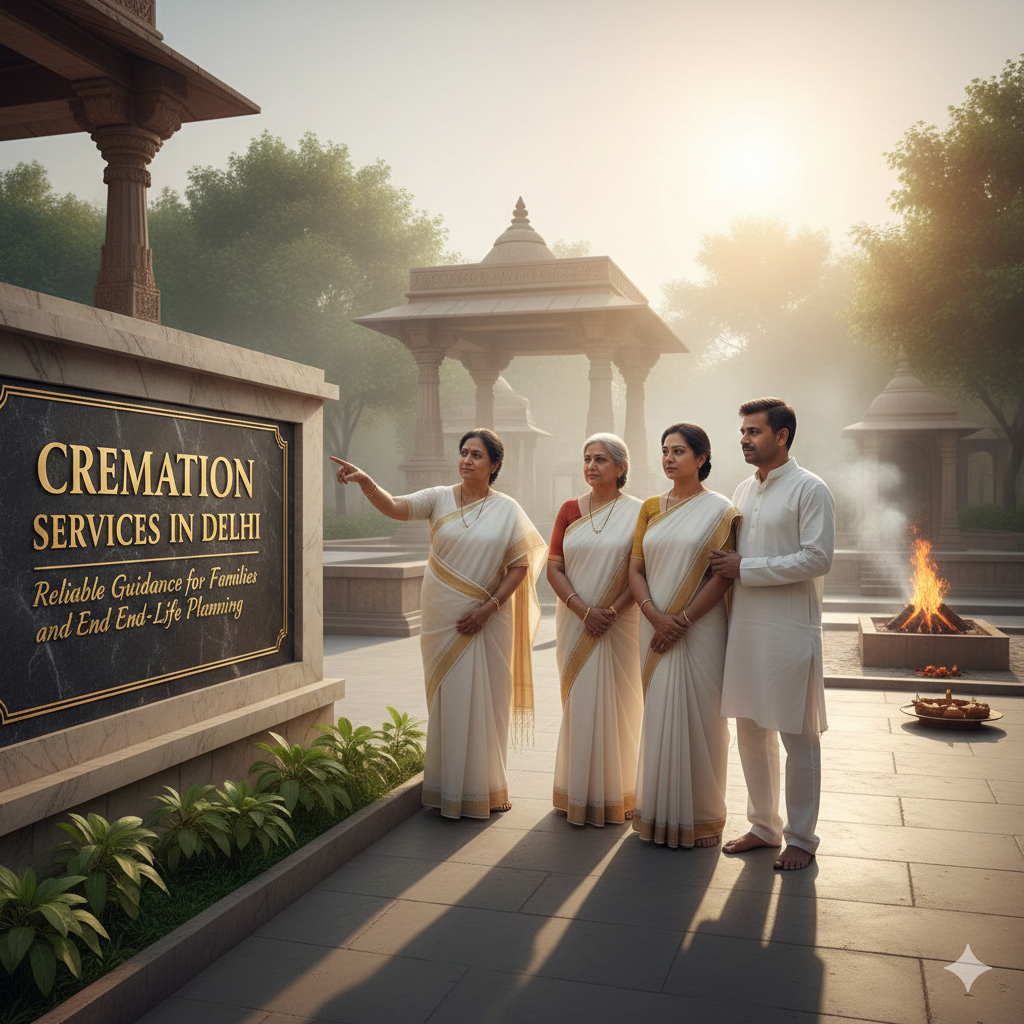
If you need cremation services in Delhi, you can find compassionate, 24/7 support and both traditional and electric options across the city to suit religious preferences and practical needs. You can arrange a dignified cremation quickly through trusted providers who offer end-to-end help—from transportation and priest services to paperwork and the actual cremation—so you can focus on your family.
This article will walk you through what services are available in Delhi, how to choose a provider, and the practical steps to arrange a cremation with clarity and respect. Expect clear guidance on options, typical costs, and the logistics you’ll need to manage during a difficult time.
Cremation Services in Delhi
You can arrange cremation in Delhi quickly through 24/7 providers, municipal crematoriums, or private agencies that handle rites, transport, and paperwork. Costs, type of pyre, and required documents differ by provider and the crematorium you choose.
Types of Cremation Services
Delhi offers traditional wood pyre cremations and electric (electric furnace) cremations. Traditional pyres follow Hindu rituals and are available at many municipal and private ghats; families often supply wood and perform last rites. Electric cremations run faster, require less space, and suit urban locations and families preferring a lower-emission option.
Other options include:
- Private funeral homes that provide end-to-end services: pickup, embalming (if requested), rituals, and ash collection.
- Repatriation services that handle documentation and transport if the ashes or body must go abroad.
- Eco-friendly choices such as electric cremation and natural-burial alternatives in some suburban facilities.
Prices vary: municipal cremations are usually the most affordable, private services add convenience and coordination fees, and repatriation costs depend on destination and paperwork.
Major Crematoriums in Delhi
Several well-known crematoriums serve different zones of the city and handle large daily volumes. Major municipal crematoria include Nigambodh Ghat, Lodhi Road, and Raj Ghat (memorial area with nearby cremation facilities). These locations have long-established ritual spaces and queues during peak periods.
Private and newer electric crematoria operate at places like Ghazipur and suburban centers; they often provide booking systems and quieter schedules. When choosing, check:
- Proximity to your residence or hospital.
- Availability of electric versus wood pyre.
- Operating hours and whether late-night services are possible.
You should contact the facility directly for current timings, booking procedure, and any slot reservation fees.
Key Features and Facilities
Expect core services such as body transport, waiting rooms, wash areas, ritual spaces, and staff to assist with rites. Electric crematoria typically include viewing areas, automated furnaces, and faster turnaround times; traditional ghats offer open-air pyres, wood supply options, and priest services.
Additional facilities some providers offer:
- Ambulance or mortuary van pickup.
- Priest/pujaris and printed ritual sheets.
- Help with floral arrangements, samagri (ritual materials), and catering for gatherings.
- Ash collection in standard urns and optional immersion arrangements at approved sites.
Ask about sanitation, privacy, and seating capacity if you will host rites on-site. Also confirm whether the site issues official cremation and death-related receipts you may need for legal processes.
Eligibility and Documentation
You must present a death certificate or hospital-issued cause-of-death document to proceed with cremation at most Delhi facilities. Identification for the deceased (Aadhaar, voter ID, passport) and an ID for the person arranging the cremation are typically required.
Other common documents and steps:
- Police inquest report (FIR) when required for unnatural deaths.
- No-objection certificates for bodies arriving from outside Delhi or for repatriation.
- Crematorium entry form and signature of the relative or authorized person.
Private services often assist with obtaining replacements or translations of documents, and municipal sites usually require in-person submission of originals. Verify specific requirements with your chosen crematorium before arrival to avoid delays.
Arranging a Cremation in Delhi
You will need to choose a crematorium, confirm rites and timing, and arrange transportation and paperwork. Costs, available packages, and who will assist you determine how quickly the process moves.
Step-by-Step Process
First, register the death at the hospital or local municipal office to obtain the death certificate; you cannot proceed without it. Contact the chosen crematorium (examples: Nigambodh Ghat, Brijghat, or a private crematorium) to check slot availability and book a time for the ceremony.
Arrange transportation of the body using a mortuary van or ambulance; confirm whether the provider handles permits and body refrigeration. Prepare required items for the ritual—wood/charcoal, ghee, flowers, and any religious paraphernalia—and tell the crematorium staff any specific ritual steps you require.
On the day, bring identity documents for family members who must sign forms. Expect the actual cremation to take 1–3 hours including rites and processing. If you opt for a simple or electric cremation, confirm procedure differences and timing with the facility.
Costs and Packages
Cremation packages in Delhi typically range from basic municipal services to full-service private packages. Basic municipal options often cost less and include use of the pyre or electric furnace and minimal staff assistance. Private providers list packages from affordable basic bundles to premium packages that may include transport, priest, flowers, and post-cremation ashes handling.
Ask for an itemized quote that separates: facility fee, transportation, priest/ritual fees, materials (wood or electric surcharge), and ash collection/urn. Look for transparent pricing and 24/7 availability if you need urgent service. If budget matters, request a pared-down package that covers legal paperwork, cremation slot, and basic transport to avoid hidden add-ons.
Required Support and Assistance
You will likely need help with legal, logistical, and ritual tasks. Designate one family member or a funeral services coordinator to handle death registration, crematorium booking, and signing of forms. A funeral provider can manage permits, vehicle booking, and coordinate with the crematorium to reduce delays.
For religious rites, hire a priest or ask the crematorium for recommended officiants; clarify language and ritual specifics in advance. If you need post-cremation services—ash immersion assistance, scattering at designated ghats, or memorial documentation—confirm these services and costs before the ceremony.