Ann Todd: The Life, Career, Love & Legacy of a British Film Icon
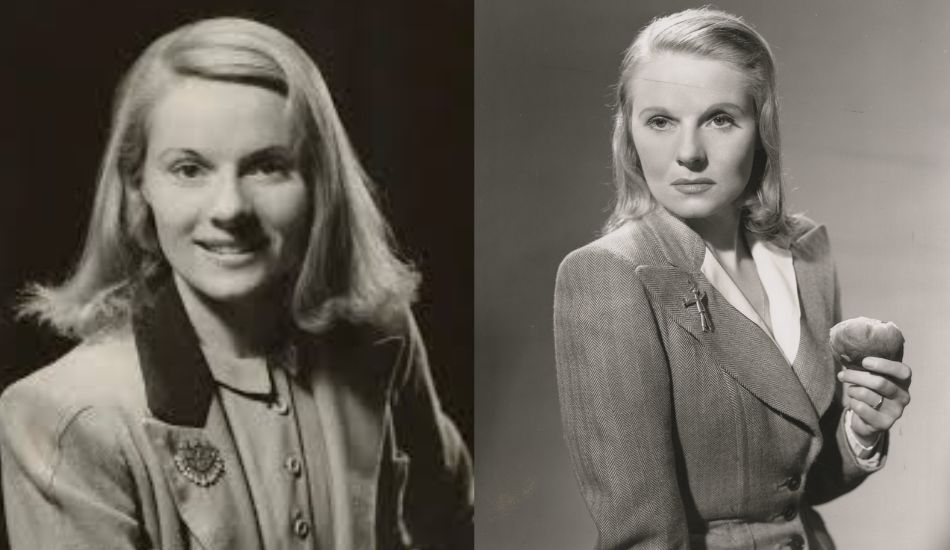
Dorothy Ann Todd remains one of British cinema’s most celebrated actresses — a performer whose elegant presence, emotional depth, and cinematic range made her a defining figure in mid-20th century film and theatre. A star of the stage and screen, Todd’s journey from small-town England to international acclaim showcases a life shaped by talent, passion, love, and dedication to her art. From her breakthrough role in The Seventh Veil to her marriage to famed director David Lean, her story is as compelling as the characters she portrayed.
Who Is Ann Todd?
Ann Todd was a British actress known for her work in film, television, and theatre. Born Dorothy Ann Todd on 24 January 1907 in Hartford, Cheshire, England, she rose from humble beginnings to become a celebrated performer in British cinema. Though some sources later listed her birth year as 1909, official records confirm she was born in 1907.
Todd trained at prestigious drama schools and made her stage debut in the late 1920s before transitioning into films in the early 1930s. For decades she maintained a steady presence onscreen and onstage, winning awards and praise for her versatility, emotional nuance, and classic beauty.
Ann Todd’s Age and Early Life
Ann Todd was born on 24 January 1907, meaning she passed away at the age of 86 on 6 May 1993. Discrepancies in some sources listing 1909 as her birth year reflect the common practice in the entertainment industry of obscuring true ages, especially for actresses of her generation.
Growing up in Cheshire, England, Todd showed early promise in drama and performance. She was educated in local schools before studying at the Royal Central School of Speech and Drama, one of the UK’s leading performance institutions. This solid training laid the foundation for a career that would span more than six decades.
Rise to Stardom: Ann Todd’s Film Career
Todd’s film debut came in Keepers of Youth (1932), a British drama that marked her entry into cinema at a time when British film was gaining momentum on the world stage.
She built her career gradually in the 1930s and early 1940s with diverse roles, but it was the 1945 psychological drama The Seventh Veil that made her a household name. In this film, she played a troubled concert pianist, a role that brought her international recognition and critical acclaim.
Another international highlight was her role in Alfred Hitchcock’s The Paradine Case (1947), where she starred opposite Gregory Peck. Her performance showed she could stand toe-to-toe with Hollywood’s biggest stars.
Beyond those films, Todd appeared in a wide variety of projects, including:
- Perfect Strangers (1945) — one of her most popular British roles.
- South Riding (1938) — a strong dramatic performance.
- So Evil My Love (1948) and The Green Scarf (1954) — demonstrating her range across genres.
In the 1950s she collaborated frequently with director and then-husband David Lean, starring in The Passionate Friends (1949), Madeleine (1950), and The Sound Barrier (1952).
Ann Todd’s Acting Style and Legacy
Critics often described Todd’s screen presence as elegant, introspective, and emotionally rich. She was known for her expressive eyes and subtle performances that conveyed vulnerability and strength. Many of her characters navigated moral dilemmas, conflicts of desire and duty, and the pressures of social expectations — making her work particularly resonant in the post-war era.
Her nickname among fans and critics was sometimes the “pocket Garbo,” alluding to her refined demeanor and blonde beauty reminiscent of Greta Garbo, yet with a uniquely British sensibility.
Even after she stepped away from consistent screen roles in the 1960s, she remained involved in the arts, taking on occasional television work and, later, producing travel documentaries. She also published her autobiography, The Eighth Veil, a play on her most famous screen role.
Ann Todd Net Worth: How Much Was She Worth?
Unlike today’s celebrity net worth disclosures, definitive financial records of early 20th-century actors are rare. However, entertainment and celebrity financial sites estimate that Ann Todd’s net worth was around $1.6 million at the time of her death, reflecting earnings from decades of film roles, stage work, and later creative projects.
The figure should be understood as an approximation — many legacy actors’ earnings were invested, taxed, or not fully documented, especially in an era before blockbuster salaries and residual contracts became standard.
Personal Life: Marriages, Children, and Relations
Ann Todd’s personal life was as eventful as her career. She married three times:
- Victor N. Malcolm — Her first husband, a grandson of famed socialite Lillie Langtry. They married in 1933 and had one son together named David Malcolm.
- Nigel Tangye — Her second husband, whom she married in 1939. They had a daughter named Ann Francesca Tangye before divorcing in 1949.
- David Lean — Her third husband, the acclaimed British film director. They married on 21 May 1949 and divorced on 15 July 1957.
Interestingly, her second and third husbands — Tangye and Lean — were first cousins, an unusual familial detail in her personal biography.
Her children, David and Ann Francesca, grew up with the added visibility that comes from having a mother in the public eye, yet Todd was known to be a dedicated and loving parent away from the spotlight.
Ann Todd and David Lean: A Creative Partnership
One of the most notable aspects of Todd’s life was her marriage — both personal and professional — to David Lean, one of Britain’s most renowned directors. Lean’s films are celebrated worldwide for their epic storytelling and cinematic craft, and during their marriage he cast Todd in several significant works.
The Passionate Friends (1949) was the first major collaboration. Todd’s performance helped anchor this romantic drama, and Lean subsequently cast her in Madeleine (1950), a period noir based on a real Scottish murder case.
Their final major collaboration was The Sound Barrier (1952), a drama about aviation pioneers. Each of these films allowed Todd to demonstrate emotional range and dramatic depth, earning praise from critics and audiences alike.
Though their marriage ended in 1957, their professional relationship remains one of the defining connections in Todd’s career.
Later Years and Cause of Death
After the peak of her film career, Todd continued to act sporadically on television and in select film roles. She also turned her creative energy toward producing and directing travel documentaries and writing her own memoirs.
Ann Todd died on 6 May 1993 at the Chelsea and Westminster Hospital in London due to a stroke, at the age of 86.
Her passing was noted by major newspapers and film communities worldwide, honoring the enduring contributions she made to British and international cinema.
Ann Todd’s Enduring Influence
Decades after her earliest performances, Ann Todd remains an inspirational figure for actors and film lovers. She carved a notable place in cinema history not just through her acting, but through her dedication to storytelling in all its forms. From stage to screen to documentary filmmaking, she embodied the evolution of performance art in the 20th century.
Her legacy includes memorable roles in classical dramas, collaborations with some of film’s finest directors, and a life rich with creative achievements — a legacy that continues to influence generations of performers and filmmakers.
Conclusion
Ann Todd was much more than a bygone film star. She was a versatile artist, a passionate performer, and a woman who balanced a formidable creative career with personal relationships that often intersected with her professional life. Her name endures among the greats of British cinema — a testament to her talent, commitment, and lasting influence.
This article is proudly shared on fanzineblog, celebrating the life and legacy of one of Britain’s most iconic actresses.