Dorothy Tutin: Life, Career, Family, Movies, and Legacy of a Distinguished British Actress
Who Is Dorothy Tutin?
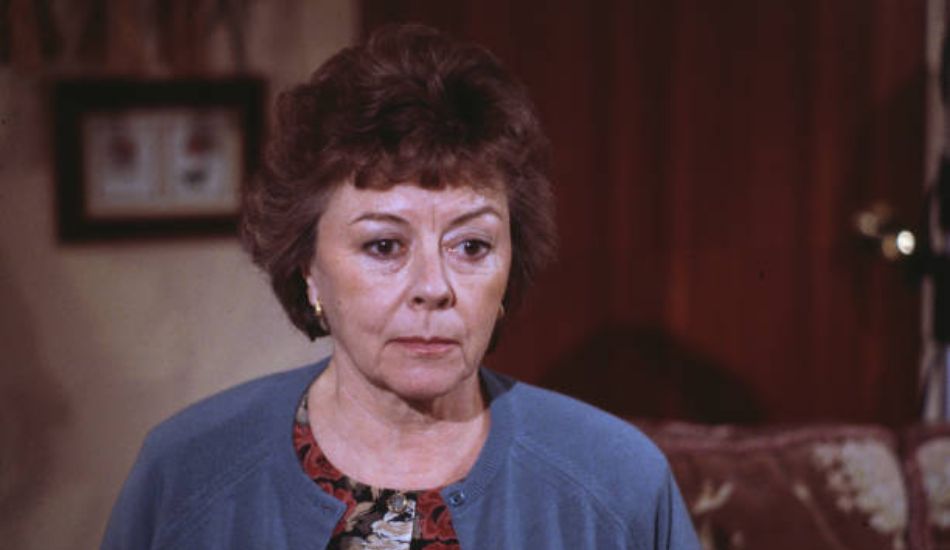
Dorothy Tutin was one of the most accomplished and respected English actresses of the 20th century. Renowned for her exceptional stage presence, refined classical technique, and emotional depth, she enjoyed a career that spanned more than five decades across theatre, film, and television.
She was especially celebrated for her Shakespearean performances with the Royal Shakespeare Company and her ability to move effortlessly between classical drama and modern roles. In recognition of her immense contribution to British theatre and drama, she was awarded the title Dame Commander of the Order of the British Empire (DBE) late in her life.
Dorothy Tutin Age and Early Life
Dorothy Tutin was born on 8 April 1930 in London, England. She grew up in a culturally rich but emotionally challenging environment that shaped her sensitivity as a performer. From an early age, she showed a strong inclination toward acting and literature, particularly the classics.
She was educated at St Catherine’s School, Bramley, and later trained at the Royal Academy of Dramatic Art (RADA)—one of the most prestigious acting institutions in the world. Her formal training gave her a solid technical foundation, but it was her natural intelligence and emotional nuance that truly set her apart.
Dorothy Tutin passed away on 6 August 2001, at the age of 71 years.
Dorothy Tutin Family Background
Dorothy Tutin Father and Mother
- Father: John Tutin
- Mother: Adie Evelyn Fryers
Her family life was marked by both support and loss. Dorothy had an older half-brother, Eric, whose death during her childhood left a profound emotional impact on her. This early experience of grief is often cited as influencing her remarkable ability to portray sorrow, vulnerability, and emotional complexity on stage.
Dorothy Tutin Brother and Sister
Dorothy Tutin did not have surviving siblings who were part of her adult life. Her half-brother Eric died when she was very young, and she grew up as an only child thereafter.
Dorothy Tutin Actress: Rise to Stardom
Dorothy Tutin made her professional stage debut in 1949, quickly establishing herself as a rising talent in British theatre. The 1950s and 1960s were formative decades in which she became closely associated with classical drama, especially the works of William Shakespeare.
She was a prominent member of the Royal Shakespeare Company, performing iconic roles such as:
- Juliet (Romeo and Juliet)
- Ophelia (Hamlet)
- Viola (Twelfth Night)
- Lady Macbeth (Macbeth)
Her performances were often praised for their intellectual clarity, emotional restraint, and psychological realism, making her a favorite among critics and theatre audiences alike.
Awards and Honors
Dorothy Tutin’s stage work earned her numerous accolades:
- Evening Standard Theatre Awards (multiple wins)
- Laurence Olivier Awards for Best Actress
- Tony Award nomination for her Broadway performance in Portrait of a Queen
In 1967, she was appointed Commander of the Order of the British Empire (CBE), and in 2000, she received one of Britain’s highest cultural honors when she was made a Dame (DBE)—a testament to her lifetime of artistic excellence.
Dorothy Tutin Movies: Film Career
Although theatre remained her primary passion, Dorothy Tutin also made a significant mark in cinema. Her film roles were often in literary adaptations and historical dramas, perfectly suited to her classical training.
Notable Dorothy Tutin Movies
- The Importance of Being Earnest (1952) – Cecily Cardew
- The Beggar’s Opera (1953) – Polly Peachum
- A Tale of Two Cities (1958) – Lucie Manette
- Cromwell (1970) – Queen Henrietta Maria
- Savage Messiah (1972) – Sophie Brzeska
- The Shooting Party (1985) – Lady Minnie Nettleby
These films demonstrated her ability to translate theatrical gravitas to the screen without losing subtlety or intimacy.
Dorothy Tutin Movies and TV Shows
Dorothy Tutin was also a familiar face on British television, especially in period dramas and literary adaptations.
Notable TV Appearances
- The Six Wives of Henry VIII – Anne Boleyn
- BBC Sunday-Night Theatre (multiple productions)
- All Creatures Great and Small
- ITV Playhouse
- Armchair Theatre
Her portrayal of Anne Boleyn was particularly praised for its emotional intelligence and quiet power, reinforcing her reputation as one of Britain’s finest dramatic actresses.
Dorothy Tutin Married To: Personal Life and Relationships
Dorothy Tutin was married to actor Derek Waring in 1963. Their marriage lasted until her death in 2001 and was considered a strong and supportive partnership, especially within the demanding world of acting.
Unlike many celebrities, Dorothy maintained a relatively private personal life, focusing on her craft and family rather than public attention.
Dorothy Tutin Kids and Daughter
Dorothy Tutin had two children, both of whom followed careers in acting:
- Nicholas Waring (son) – actor
- Amanda Waring (daughter) – actress
Her daughter Amanda Waring even appeared alongside her mother in All Creatures Great and Small, making their collaboration a touching example of artistic legacy passed from one generation to the next.
Dorothy Tutin Relations and Family Life
Family was central to Dorothy Tutin’s life. Despite her demanding career, she was deeply committed to her husband and children. Colleagues often described her as thoughtful, reserved, and intellectually curious—qualities that translated into both her family relationships and her performances.
Dorothy Tutin Net Worth
There is no verified public record of Dorothy Tutin’s net worth. Like many actors of her generation, especially those rooted in theatre rather than Hollywood, her earnings were not widely documented.
However, her long career with leading theatre companies, major film roles, television appearances, and international stage performances suggest she enjoyed financial stability and professional respect rather than celebrity wealth.
Dorothy Tutin Wikipedia and Public Legacy
Dorothy Tutin’s life and career are well documented on public reference platforms such as Wikipedia, theatre archives, and film histories. She is remembered not for scandal or celebrity culture, but for discipline, artistic integrity, and excellence.
Her work continues to be studied by drama students and admired by theatre historians as an example of classical British acting at its finest.
Dorothy Tutin Cause of Death
Dorothy Tutin died on 6 August 2001 in Midhurst, West Sussex, England.
- Cause of Death: Leukaemia
Her passing was mourned throughout the British arts community, with tributes highlighting her extraordinary contribution to stage and screen.
Lasting Impact and Cultural Importance
Dorothy Tutin’s legacy lies in her dedication to the craft of acting. She belonged to a generation that valued rehearsal, textual understanding, and emotional truth above fame. Her performances—especially in Shakespeare—set standards that continue to influence British theatre today.
She remains an enduring symbol of classical excellence, intellectual rigor, and quiet artistic authority.
Final Words
Dorothy Tutin was far more than a successful actress—she was a guardian of theatrical tradition and a bridge between classical and modern performance styles. Her life, family, and body of work continue to inspire actors and audiences alike. Articles like this on platforms such as fanzineblog help keep the memory of such remarkable artists alive for new generations.