How to Create a Wellness Space Teens Will Actually Use
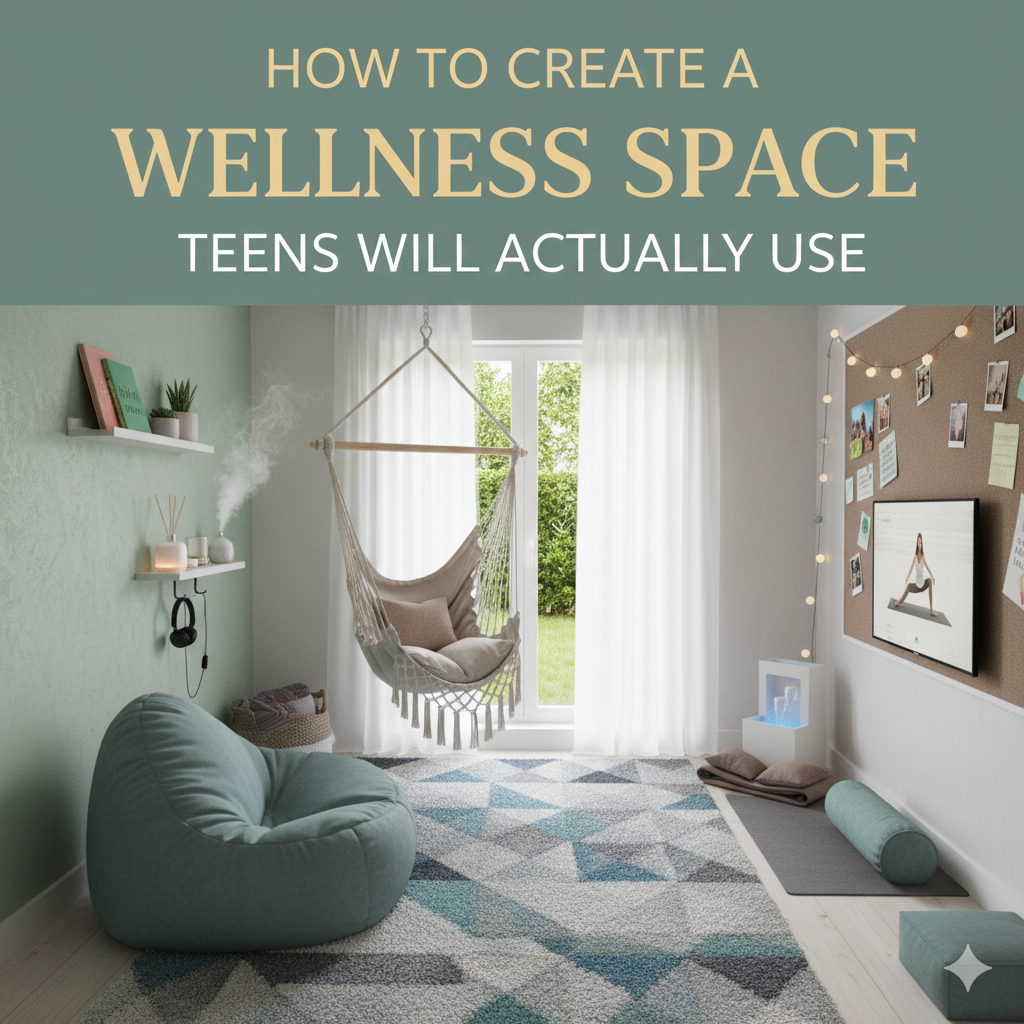
Being a teenager in today’s fast-paced, hyper-connected world is exhausting. Between academic pressure, extracurricular demands, and the constant hum of social media, adolescents are reporting higher levels of stress than ever before. As parents, the instinct is often to hover or force “family time,” but sometimes the best solution is simply providing a physical environment that encourages decompression.
Creating a wellness space for your teen isn’t about incense and chanting (unless they’re into that); it’s about designing a sanctuary where they feel safe to unwind, recharge, and just be. The trick lies in striking the right balance between privacy and accessibility, making the space inviting enough that they actually want to use it. Here are several ways to design a functional, appealing wellness zone that supports your teen’s mental and physical health.
1. Prioritize Sensory Comfort and Privacy
The teenage brain is often overstimulated. A successful wellness space acts as a sensory reset button. This doesn’t mean you need to build a soundproof bunker, but you should consider the auditory and tactile experience of the area.
Start with lighting. Harsh overhead fluorescent lights are the enemy of relaxation. Instead, opt for dimmable options, warm-toned floor lamps, or even LED strips that allow them to choose their own color vibe. Soft textures are equally important. Think weighted blankets, plush rugs, or bean bag chairs that offer a sense of physical security. If the space is part of a larger common area, use room dividers or noise-canceling headphones to give them the illusion of solitude. When a teen feels their privacy is respected, they are far more likely to let their guard down and truly relax.
2. Incorporate Hydrotherapy for Stress Relief
Water has a unique ability to soothe the nervous system. For centuries, hydrotherapy has been used to reduce anxiety, improve sleep quality, and relax tense muscles—all issues that plague modern teens.
While a bathtub is a good start, an outdoor spa takes this concept to the next level. It provides a unique “third place” that isn’t their bedroom (where they study) or the living room (where parents watch TV). It offers a distraction-free zone where phones are usually put away to avoid water damage. If you are looking to invest in a premium hydrotherapy experience, looking into Bullfrog spa sin Salt Lake City can be a game-changer for your backyard. These spas are renowned for their customizable JetPaks, allowing users to tailor the massage to their specific stress points, whether that’s “text neck” or sports-related soreness.
Having a dedicated water feature encourages a nightly ritual of winding down. Even twenty minutes of soaking in warm water can lower cortisol levels and prepare the body for deep sleep, which is crucial for adolescent development.
3. Create a “Tech-Optional” Zone
It is unrealistic to ban technology entirely, but you can create a space where analog activities are prioritized. This area should feature things that engage the hands and the mind in a slow, rhythmic way.
Consider setting up a corner with adult coloring books, intricate puzzles, or a sketchpad. If your teen is musically inclined, having an acoustic guitar or a keyboard nearby invites creative expression without the pressure of performance. The goal is to facilitate “flow state”—that mental zone where the world falls away because you are so focused on a single, enjoyable task.
If they do bring their phones, encourage the use of wellness apps rather than social scrolling. You might have a Bluetooth speaker ready so they can play guided meditations, ambient rain sounds, or their favorite lo-fi study beats.
4. Bring the Outdoors In (or Go Out)
Nature is a potent antidepressant. Biophilic design—the practice of connecting people and nature within built environments—suggests that even looking at plants can lower blood pressure and improve focus.
If your wellness space is indoors, fill it with low-maintenance greenery like snake plants or pothos (which are notoriously hard to kill). If you have a patio or backyard, create a dedicated lounge area. This could be a hammock strung between two trees or a comfortable outdoor sofa. Fresh air and natural sunlight are vital for regulating circadian rhythms, helping teens sleep better at night and feel more alert during the day.
5. Allow for Personalization
The most critical factor in whether a teen uses a space is ownership. If the area looks like it was staged for a magazine and they aren’t allowed to move a pillow, they won’t feel comfortable there.
Involve your teen in the design process. Let them choose the throw pillows, the artwork, or the playlist. If they want to hang posters or string up fairy lights, let them. When they see their own personality reflected in the environment, it fosters a sense of belonging and safety. This autonomy is a crucial part of their development and makes the wellness practice feel like a personal choice rather than a parental mandate.