Maurice Kaufmann: A Comprehensive Biography of the British Actor, His Life, Family, Career, and Legacy
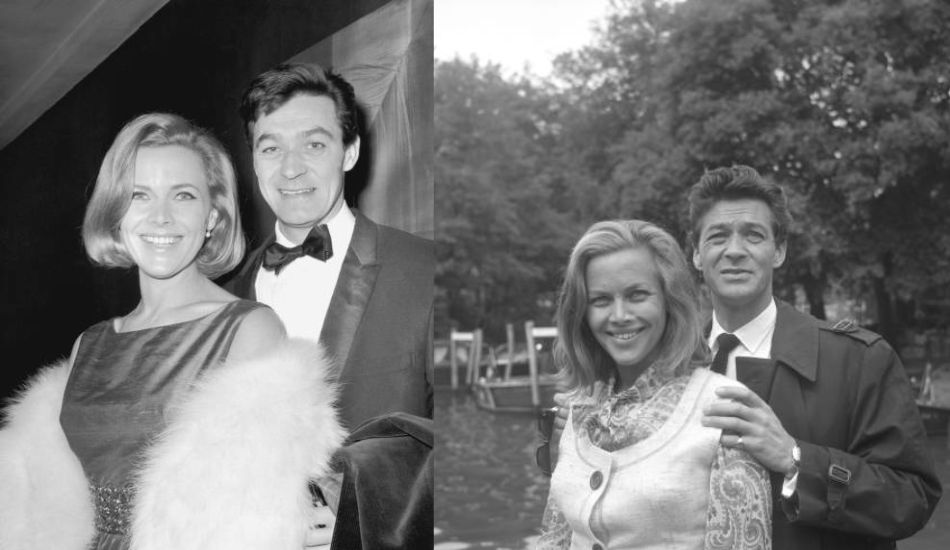
Maurice Harington Kaufmann remains one of the intriguing yet understated figures in 20th-century British cinema. Although he never reached the international fame of contemporaries who dominated Hollywood screens, Kaufmann built a steady, respectable career across film, stage, and television. His life story intertwines with some of the most notable names in British entertainment — especially his marriage to the iconic Honor Blackman — and his filmography spans a wide range of genres, from horror and thrillers to science fiction and classic British mysteries.
This article provides a deeply detailed and refined exploration of Maurice Kaufmann, answering questions such as who he was, his age, his family background, the movies and TV shows he appeared in, his relationship with Honor Blackman, his children, and what is known — and not known — about his personal life, including his father, siblings, and net worth.
Early Life and Background
Maurice Harington Kaufmann was born on 29 June 1927, in the coastal town of Gorleston-on-Sea, Norfolk, England. Not much is publicly documented about his childhood, upbringing, or early influences. This lack of detailed personal history is not uncommon for actors of the mid-20th century, particularly those who never actively pursued celebrity status or excessive publicity.
Information about Maurice Kaufmann’s father, mother, or siblings remains largely unavailable to the public. No reliable record identifies his parents by name, and there is no verified documentation about whether Kaufmann had brothers or sisters. His relative absence from early press interviews or in-depth biographical features contributes to this mystery. Unlike many actors whose families later revealed personal archives or gave interviews, Kaufmann’s background remained, and continues to remain, exceptionally private.
What is certain is that Kaufmann eventually found his way into acting and trained for the profession, joining the wave of British actors who would shape post-war cinema and television.
Career Beginnings and Acting Style
Maurice Kaufmann’s acting career began in the early 1950s, a dynamic era for British entertainment. The country saw increased film production, especially in the genres of science fiction, thrillers, and “quota quickies” — lower-budget films designed to fill double-feature slots. Kaufmann entered the industry at a time when dedicated actors could find regular work if they possessed the right blend of talent, versatility, and professionalism.
Kaufmann was often cast in supporting roles, though he occasionally played more central characters. His serene yet sharp screen presence made him suitable for intelligent, mysterious, or slightly enigmatic roles. He had a knack for fitting naturally into suspenseful narratives, whether in horror, sci-fi, or detective-style productions.
Notable Films
While Maurice Kaufmann may not have headlined blockbuster movies, his filmography contains several memorable titles that ensured his status as a reliable and skilled character actor. Some of his most notable works include:
1. Gorgo (1961)
A British-American monster movie, Gorgo gained cult status among sci-fi fans. Kaufmann played a key supporting role in this story about a giant sea creature captured off the coast of Ireland. Although not his most sophisticated film, Gorgo remains one of his best-known due to its enduring popularity.
2. Die! Die! My Darling! (1965)
Also known as Fanatic, this horror-thriller features Kaufmann in one of his more recognizable roles. The movie starred Tallulah Bankhead and Stefanie Powers, with Kaufmann adding depth to the film’s tense atmosphere.
3. A Shot in the Dark (1964)
Part of the famous Pink Panther franchise, this movie stands out as one of the most high-profile films Kaufmann took part in. Although his role wasn’t the central focus, his involvement connected him to a globally beloved comedic universe.
4. The Giant Behemoth (1959)
A classic creature-feature, this sci-fi film is remembered for its Cold War-inspired undertones and its giant radiation-mutated monster. Kaufmann contributed to the movie’s distinctive tone, which blended drama with speculative fiction.
5. Fright (1971)
This horror-thriller holds special significance not only for its genre appeal but also because it featured both Maurice Kaufmann and his then-wife, Honor Blackman. Their on-screen pairing added an intriguing layer to this suspenseful film.
Additional Film Credits
Kaufmann appeared in many other films throughout the 1950s, 60s, and 70s. These include:
- The Quatermass Xperiment (1955)
- We Shall See (1964)
- The Abominable Dr. Phibes (uncredited, 1971)
- A number of British mystery, crime, and anthology productions
His overall filmography reflects a solid presence in cinema, especially in genre films that have since attracted a dedicated fanbase.
Television Career
Though not as widely documented as his film appearances, Maurice Kaufmann also made various appearances on British television. The mid-20th-century TV landscape was rich with crime dramas, anthology series, and dramatic adaptations — ideal territory for Kaufmann’s dependable acting style.
While his complete TV listings are scattered across archives and film databases, he consistently worked in television during his active years, contributing to episodes of numerous productions that defined the era.
Marriage to Honor Blackman
One of the most publicly visible aspects of Maurice Kaufmann’s life was his marriage to Honor Blackman, one of Britain’s most famous actresses. Blackman achieved international fame for her role as Cathy Gale in The Avengers and later as Pussy Galore in the James Bond film Goldfinger.
Their Meeting and Marriage
Maurice Kaufmann and Honor Blackman married in 1961. Their relationship became well-known due to Blackman’s star power, though by all accounts, the marriage was grounded in genuine affection and shared artistic interests rather than celebrity spectacle.
Working Together
Their most notable professional collaboration came in the 1971 horror-thriller Fright, in which both appeared on screen. This film remains a unique artifact of their shared careers and is frequently referenced in retrospectives about either actor.
Children and Family Life
Maurice Kaufmann and Honor Blackman adopted two children:
- Daughter: Lottie
- Son: Barnaby
The couple chose adoption after being informed that they were unable to conceive naturally. They provided a loving, supportive environment for their children, and both parents were deeply committed to family life despite demanding acting careers.
Divorce
The couple divorced in 1975, ending a 14-year marriage. Despite the separation, their relationship reportedly retained a sense of mutual respect. Honor Blackman was said to have supported Kaufmann even during his later battle with cancer, highlighting the lasting bond they shared.
Later Life and Death
After more than three decades in the entertainment industry, Maurice Kaufmann gradually stepped away from acting in the early 1980s. His final credited appearances came around 1981, after which he lived a quiet life away from the spotlight.
Maurice Kaufmann passed away on 21 September 1997, in London, at the age of 70. His death was attributed to cancer.
Honor Blackman was reportedly present during or around his final days, a testament to their enduring connection even long after their divorce.
Maurice Kaufmann’s Net Worth
A frequently asked question concerns Maurice Kaufmann’s net worth. However, unlike modern actors whose financial details often become part of public discourse, Kaufmann’s earnings and personal wealth were never publicly disclosed.
There are no verified figures or credible documents that estimate his net worth at the time of his death. Any claims that attempt to assign a specific monetary value should be viewed cautiously, as they are usually speculative.
Family, Parents, Siblings — What We Know and Don’t Know
One of the most persistent mysteries about Maurice Kaufmann is the absence of verifiable information regarding:
- His father
- His mother
- His siblings (brothers or sisters)
No public records, interviews, or biographical releases have surfaced that provide details about his immediate family background. This does not necessarily indicate secrecy; rather, Kaufmann simply lived during a period where actors did not habitually disclose their personal histories unless required for publicity.
The silence surrounding his parents and siblings remains one of the more intriguing gaps in his biography.
Legacy and Cultural Impact
Maurice Kaufmann may not have been a superstar, but his contribution to British cinema is both meaningful and enduring. His legacy includes:
- A diverse filmography across major mid-century genres
- Roles in cult classics that continue to draw fans today
- A professional reputation for reliability and consistency
- A connection to Honor Blackman, which keeps his name present in discussions of classic British film and television
- A career reflective of hundreds of working actors who shaped the entertainment landscape without becoming household names
Kaufmann represents a generation of talented actors whose work supported the rise of British film and TV during a transformative era. His presence in science fiction, horror, and thrillers also solidifies his place in fan communities who celebrate genre cinema.
Final Thoughts
Maurice Kaufmann’s life and career stand as a reminder that not all influential entertainers become global celebrities. His quiet professionalism, varied filmography, and intriguing personal story — especially his marriage to Honor Blackman and their adopted children — make him a fascinating figure in the history of British acting.
Although some aspects of his background remain unknown, the contributions he made to cinema endure, and his story continues to capture the interest of film enthusiasts and researchers alike.
This article was written for fanzineblog, where we celebrate cinema, history, and the hidden figures behind great performances.